
Seasonal Ant Activity and When to Schedule Pest Control Service
Understanding seasonal ant activity and when to schedule pest control helps homeowners prevent infestations, and local contractors can provide effective treatments to keep ants at bay.
Understanding seasonal ant activity and when to schedule pest control service is essential for property owners looking to maintain a pest-free environment throughout the year. As temperatures fluctuate and seasons change, ant behavior shifts, often leading to increased sightings and potential nesting sites around homes and businesses. Staying informed about these patterns helps property owners take timely action, preventing infestations before they become difficult to manage. Local contractors specializing in seasonal ant pest control can provide tailored solutions, ensuring that treatments align with peak activity periods and effectively reduce ant populations.
For property owners in the area, exploring the timing of ant activity offers practical benefits, such as minimizing property damage and avoiding the inconvenience of unexpected infestations. Recognizing the seasonal nature of ant behavior enables residents and managers to plan pest control services proactively, rather than reacting after the problem has grown. Local service providers can assess the specific needs of each property, offering expert advice on when to schedule treatments for optimal results. Keeping up with seasonal trends in ant activity supports a proactive approach to pest management, helping to keep properties comfortable and pest-free year-round.
- Seasonal ant pest control services are often needed when ant activity increases during specific times of the year, and local contractors can implement targeted treatments to manage infestations. Service providers typically evaluate seasonal patterns to determine the optimal timing for ant control, helping prevent larger colonies from establishing. When homeowners notice early signs of increased ant activity, local pros can schedule treatments to reduce future problems. These services are most effective when timed before peak ant activity, which varies by season and region. Contact local pest control providers to learn how they can help manage seasonal ant activity and protect your property.

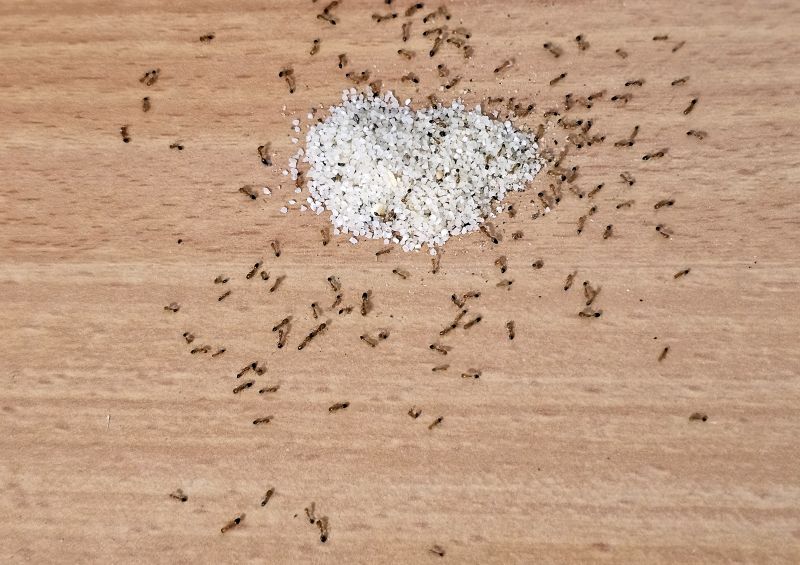

Understanding seasonal ant activity and when to schedule pest control service is a common concern for homeowners seeking to prevent or address ant infestations. When people search for this topic, they often want to know which times of year ants are most active and how that activity might impact their homes or properties. This information helps in planning effective pest control strategies, especially for those experiencing recurring ant problems or wanting to avoid future issues. Knowing the seasonal patterns of ant activity allows homeowners to take proactive steps, such as scheduling treatments before ant populations peak, reducing the likelihood of large infestations developing later in the year.
This topic is relevant to a variety of property types, including single-family homes, townhouses, and multi-unit residential buildings. It also applies to commercial properties like restaurants, retail stores, and office complexes that need to maintain pest-free environments for health and safety reasons. Typically, ant activity varies with the seasons, with certain species becoming more active during warmer months and seeking shelter indoors as temperatures drop. Homeowners and property managers often look for guidance on the best times to implement pest control measures to stay ahead of these seasonal shifts, minimizing disruptions and potential property damage caused by ant colonies.
The problems associated with seasonal ant activity often involve unwanted invasions into living spaces and stored goods, especially during periods when outdoor conditions drive ants indoors seeking food and moisture. Planning pest control around these seasonal patterns can help prevent large colonies from establishing inside walls, basements, or kitchens. Local service providers who specialize in ant pest control can assess the specific species and seasonal behaviors in an area, offering tailored treatments that align with peak activity times. This strategic approach ensures that pest management efforts are most effective, reducing the chances of ants returning or spreading within the property.
For homeowners preparing for seasonal changes, understanding when ants are most active can inform the timing of pest control services. Scheduling treatments before ant populations surge can help eliminate colonies early and prevent widespread invasions. Local pros can provide inspections and targeted treatments based on seasonal trends, helping property owners maintain a pest-free environment year-round. By working with experienced service providers, homeowners can better align pest control efforts with the natural cycles of ant activity, ensuring more effective and timely management that fits their specific property needs.
Garden Pest Management - Managing pests in vegetable and flower gardens requires understanding seasonal activity patterns and timing treatments, similar to scheduling ant control services.
Rodent Control Projects - Identifying rodent activity during specific seasons involves planning and pest management techniques comparable to those used in ant pest control scheduling.
Mosquito Control Services - Timing mosquito treatments based on seasonal activity mirrors the planning needed for effective ant pest control during peak times.
Termite Inspection and Treatment - Conducting inspections and treatments at optimal times aligns with understanding seasonal ant behavior for pest management.
Wildlife Exclusion Projects - Planning for seasonal wildlife activity involves similar assessment and timing strategies as those used in ant pest control scheduling.
Lawn and Landscape Pest Control - Applying treatments in sync with pest activity seasons requires planning skills comparable to scheduling ant control services.
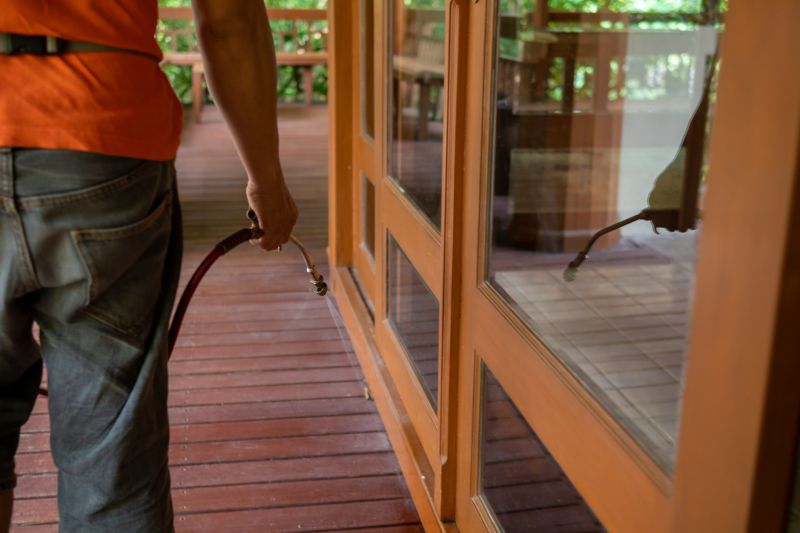
When evaluating service providers for seasonal ant activity and when to schedule pest control service, it’s important to consider their experience with similar projects. Homeowners should look for local contractors who have a proven track record in managing ant infestations during different times of the year, especially in the context of seasonal fluctuations. An experienced professional will understand the patterns of ant activity and be familiar with effective treatment strategies tailored to the local climate and ant species common in the area. This knowledge helps ensure that the pest control measures are both timely and effective, reducing the likelihood of recurring issues.
Clear written expectations are essential when comparing local pros for seasonal ant pest control services. Homeowners should seek providers who can articulate what the service includes, such as inspection procedures, treatment methods, and follow-up plans. Transparent communication about what to expect helps prevent misunderstandings and ensures that both parties are aligned on the scope of work. Additionally, reputable service providers often provide references or reviews that can give insight into their reliability and professionalism, making it easier for homeowners to gauge the quality of service and the consistency of results.
Good communication is a key factor in selecting the right local contractor for seasonal ant activity management. Homeowners should prioritize service providers who are responsive and willing to answer questions about timing, treatment options, and seasonal considerations. Effective communication ensures that homeowners are well-informed about the best times to schedule pest control services to address peak ant activity and prevent infestations. When choosing a contractor, it’s beneficial to consider their ability to provide clear guidance and updates throughout the process, which can lead to a smoother experience and more successful management of seasonal ant problems.
Property owners often search for seasonal ant activity and when to schedule pest control service when they are planning practical projects around their homes and businesses. Local pros provide Seasonal Ant Pest Control services for everyday jobs and straightforward project options.
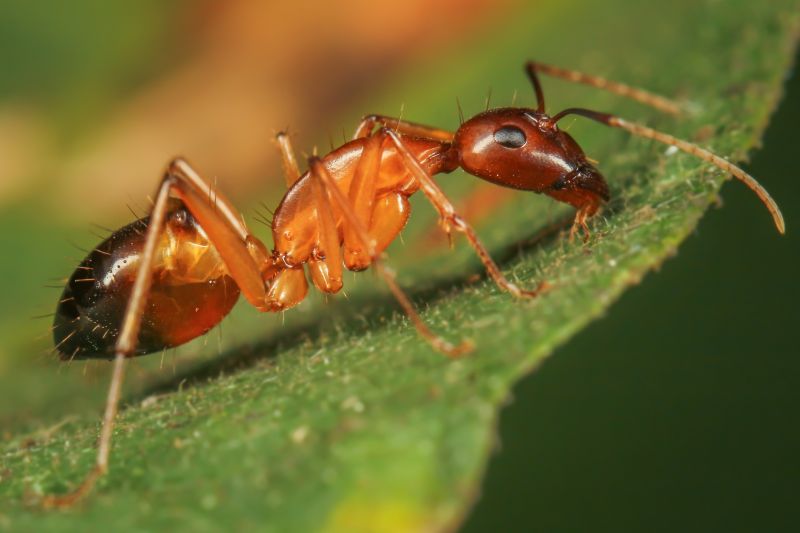
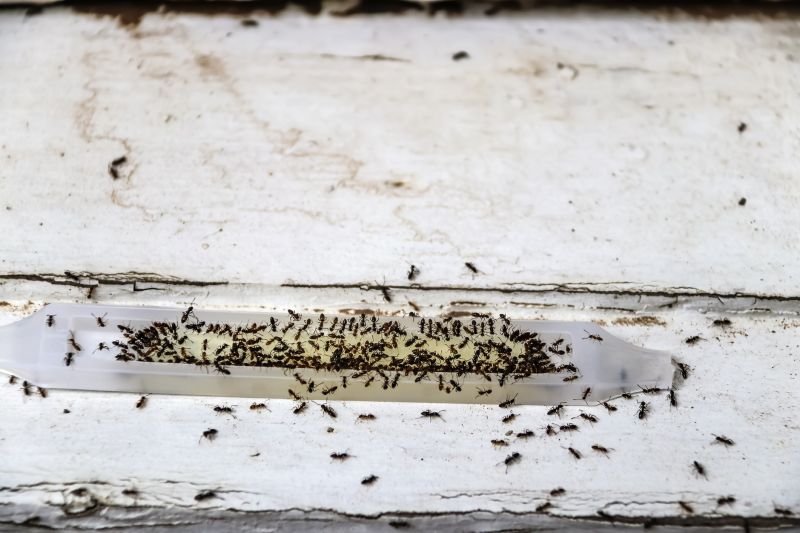
Understanding seasonal ant activity can help property owners recognize the times of year when these pests are most likely to invade homes and outdoor spaces. As temperatures fluctuate and weather patterns change, ants often become more active, seeking food, water, and shelter. This increased activity can lead to unexpected infestations, making it a practical step to consider scheduling pest control services with local contractors who specialize in ant management. Timing treatments before or during peak activity periods can help prevent larger problems and reduce the likelihood of ants establishing permanent nests on the property.
When planning pest control for ants, knowing the seasonal patterns can guide property owners in choosing the right time to seek professional help. Local service providers can assess the current activity levels and recommend treatments tailored to the season, ensuring more effective results. Scheduling services ahead of major ant activity spikes can help maintain a pest-free environment and minimize disruptions caused by infestations. Connecting with experienced local contractors at appropriate times can be a strategic step in managing seasonal ant activity effectively.
When is the peak season for ant activity? Ant activity tends to increase during warmer months, typically in spring and summer, making it important to schedule pest control services before these periods of heightened activity.
How can I tell if ants are active around my property? Signs of ant activity include visible trails, ants entering or leaving the home, and the presence of nests in soil, walls, or other hidden areas, prompting the need for professional pest control.
Why should I consider scheduling pest control services before ant activity peaks? Scheduling services ahead of peak activity helps prevent infestations from establishing and makes it easier for local contractors to manage ant populations effectively.
Are there specific times of year when ant infestations are more common? Yes, ant infestations are more common in spring and summer, aligning with increased outdoor activity and warmer temperatures, which can lead to more frequent visits from local service providers.
How do seasonal changes affect ant behavior and pest control needs? Seasonal changes influence ant foraging and nesting habits, so engaging local pros during early spring or late summer can help address activity before it becomes a larger problem.
Monitor ant activity seasonally - property owners can observe patterns of ant movement to identify peak activity times and schedule pest control services accordingly with local contractors.
Schedule preventative treatments ahead of ant season - planning pest control services before ant activity begins helps reduce infestations during peak months.
Identify high-risk areas for ant entry - inspecting and sealing potential entry points in advance can complement seasonal pest control efforts from local pros.
Adjust pest control plans based on seasonal changes - working with local service providers to modify treatments as ant activity shifts ensures ongoing protection throughout the year.
If you are thinking about seasonal ant activity and when to schedule pest control service for a property, this guide is meant to help you understand this topic, the typical project types, and how different options might fit your plans.
When you are ready, you can use the quote form on this page to share a few details about your project. From there, local pros can review the basics and follow up with options that match what you have in mind.