
Signs You Have a Stinkbug Infestation Indoors
If you notice signs you have a stinkbug infestation indoors, local contractors can provide effective treatment options to eliminate these pests.
If you’ve noticed an increase in stinkbugs around your home, it’s understandable to wonder if an infestation has taken hold indoors. Common signs include seeing clusters of these insects near windows, door frames, or other entry points, especially during certain seasons. You might also detect a distinct, unpleasant odor when you disturb them or find dead stinkbugs in your living spaces. Recognizing these early indicators can help property owners address the problem before it becomes more difficult to manage. Local service providers who specialize in stinkbug infestation treatment are equipped to assess the situation and recommend effective solutions to protect your home.
Exploring the signs of a stinkbug invasion is a practical step for homeowners and property managers alike, particularly in areas where these pests tend to seek indoor shelter. If you’re experiencing persistent sightings or odors, it’s a good idea to connect with experienced contractors who can handle stinkbug control and prevention. These professionals understand how to identify the root of the issue and implement targeted treatments to eliminate the infestation. Keeping an eye out for these signs and seeking expert assistance can help maintain a comfortable, pest-free environment inside the property.
- Stinkbug infestation treatment - homeowners noticing large numbers of stinkbugs inside may need professional intervention to eliminate the pests effectively.
- Stinkbug infestation treatment - when signs of stinkbugs gathering around windows or vents appear, local contractors can provide targeted solutions to prevent indoor entry.
- Stinkbug infestation treatment - if a foul odor or dead bugs are found inside the home, service providers can assess and address the source of the infestation.
- Stinkbug infestation treatment - persistent sightings of stinkbugs during seasonal changes indicate the need for expert treatment to control their indoor presence.
- Stinkbug infestation treatment - evidence of stinkbugs in attic or wall spaces can prompt local specialists to perform thorough inspections and treatments to protect the home.
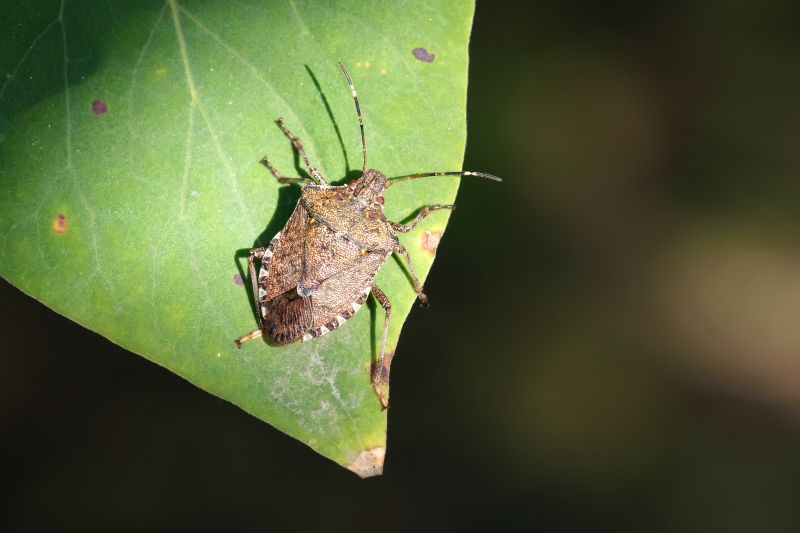
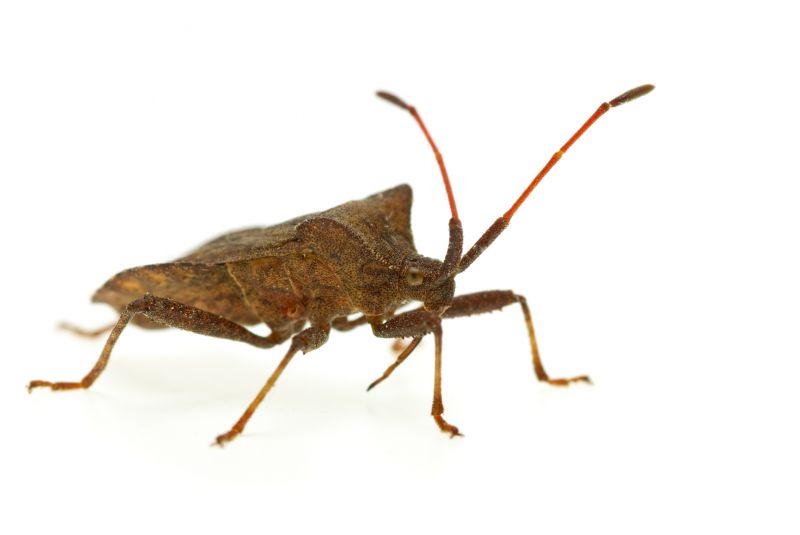
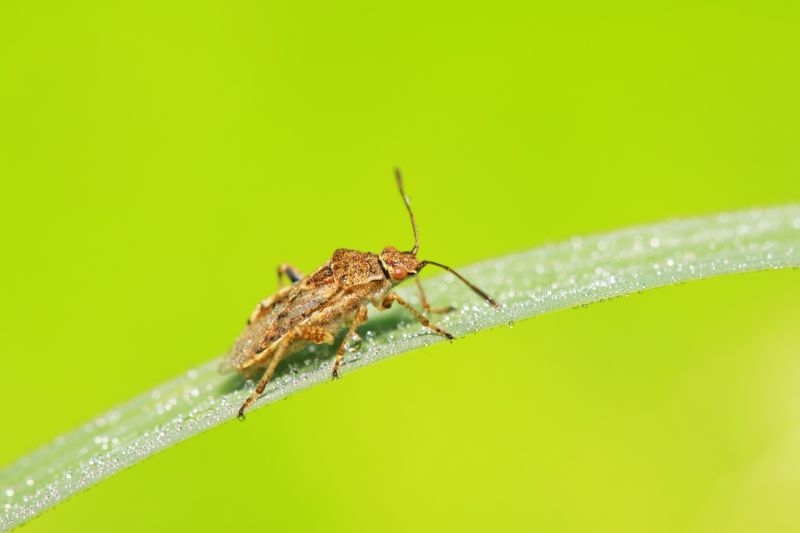
Understanding the signs you have a stinkbug infestation indoors is essential for homeowners who notice unusual activity or damage inside their properties. Many people searching this topic are concerned about the presence of these pests in their living spaces, especially during the fall and winter months when stinkbugs seek warmth. Common indicators include spotting clusters of these insects around windows, door frames, or light fixtures, as they tend to gather in areas with easy access to the outdoors. Recognizing these early signs can help prevent a larger infestation, making it easier for local contractors to implement effective treatment strategies before the problem escalates.
The presence of stinkbugs indoors often relates to broader pest management concerns, particularly as part of a seasonal or preventative approach. Homeowners may be interested in identifying the problem early to plan for targeted treatments or exclusion methods. Additionally, some property owners might be dealing with damage caused by these insects, such as staining walls or creating unpleasant odors when crushed. Addressing a stinkbug infestation can be a key step in maintaining a comfortable and pest-free living environment, especially for those living in properties with entry points like gaps around windows, vents, or utility lines that provide easy access for these pests.
Properties most commonly affected by stinkbug infestations tend to be residential homes, especially those with older or poorly sealed windows and doors. Multi-family dwellings, such as apartment complexes, can also be vulnerable due to shared entry points and communal spaces. Even some types of commercial properties, particularly those with easy outdoor access or storage areas, may experience issues. Homeowners should understand that stinkbugs are attracted to warm, sheltered spaces, making homes with certain architectural features more prone to infestations. Recognizing the structural vulnerabilities can help in planning for effective exclusion and treatment solutions offered by local pest control providers.
When signs of a stinkbug problem appear, it’s practical to consider professional treatment options rather than attempting DIY solutions alone. Local service providers specializing in stinkbug infestation treatment can assess the property’s specific needs, identify entry points, and recommend appropriate exclusion and control measures. These experts often employ targeted treatments to reduce the population and prevent future invasions. For homeowners, understanding how these pests enter and proliferate allows for better collaboration with local contractors, ensuring that the infestation is handled efficiently and effectively, ultimately helping to restore comfort and peace of mind inside the property.
Home inspection services - professionals who identify signs of pest infestations can help detect early indications of stinkbug presence and advise on appropriate treatment strategies.
Pest control consultation - local contractors experienced in pest management can assess indoor environments for signs of stinkbug activity and recommend effective removal methods.
Entry point sealing services - specialists can identify and seal cracks or gaps that may allow stinkbugs to enter, preventing further infestation signs indoors.
Indoor environmental assessment - experts evaluate indoor spaces for pest-related odors or debris associated with stinkbug infestations and suggest remediation options.
Structural repair services - contractors skilled in fixing damage caused by pests can address entry points and structural vulnerabilities linked to signs of infestation.
Integrated pest management planning - service providers can develop comprehensive plans to eliminate stinkbugs and prevent future signs of infestation indoors.
When evaluating service providers for stinkbug infestation treatment, it is important to consider their experience with similar projects. Homeowners should inquire about how long a contractor has been handling pest issues, specifically indoor stinkbug problems, and whether they have successfully completed comparable treatments. An experienced local contractor will typically have a deeper understanding of common infestation signs and effective methods to address them, which can contribute to a more thorough and reliable service.
Clear written expectations are essential to ensure that homeowners and service providers are aligned on the scope of work. When comparing local contractors, it’s helpful to review detailed descriptions of the services offered, including what areas will be treated and what results to expect. Having this information in writing can prevent misunderstandings and provide a basis for assessing whether the treatment plan addresses the signs of a stinkbug infestation indoors effectively.
Reputable references and good communication are key factors in selecting a dependable pest control service. Homeowners should seek out local contractors who can provide references from previous clients with similar issues, demonstrating a history of satisfactory work. Additionally, a contractor who communicates clearly and promptly can help homeowners feel more confident throughout the process, ensuring that questions about signs of infestation and treatment options are addressed thoroughly and professionally.
Property owners often search for signs you have a stinkbug infestation indoors when they are planning practical projects around their homes and businesses. Local pros provide Stinkbug Infestation Treatment services for everyday jobs and straightforward project options.
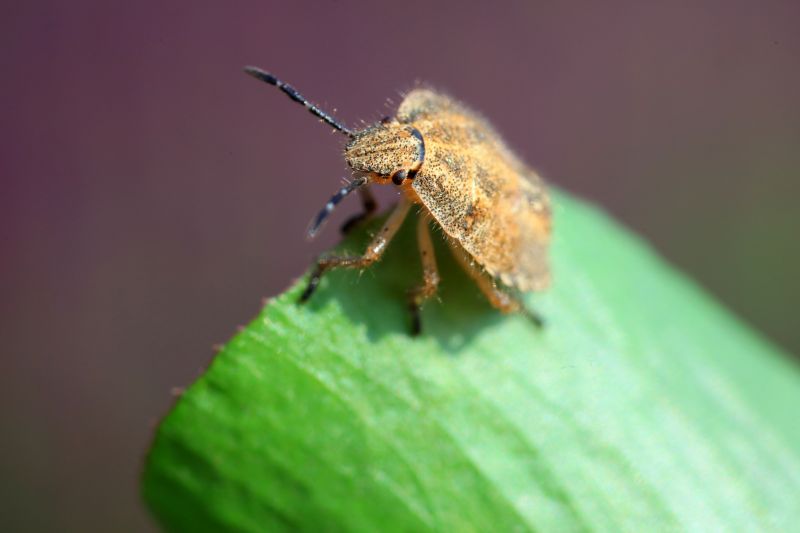
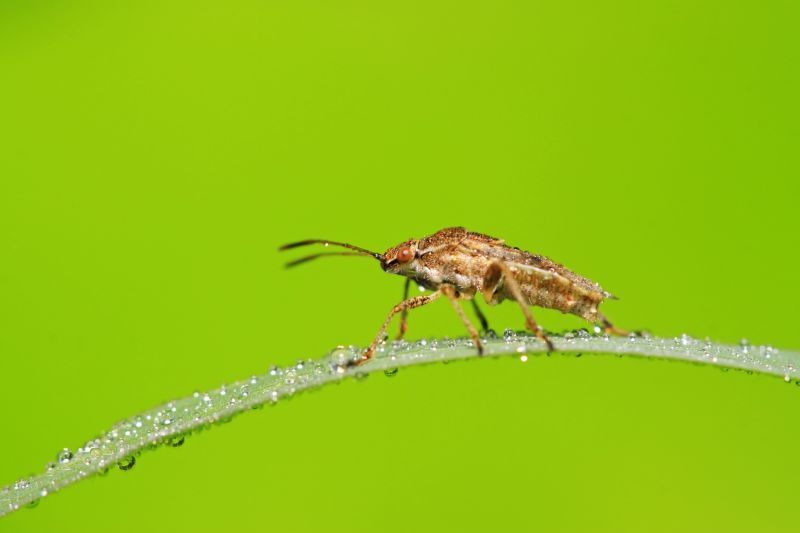
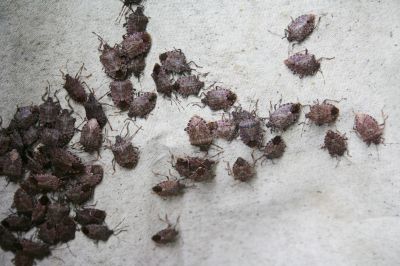
Signs you have a stinkbug infestation indoors often become noticeable during routine household activities. For example, residents may find clusters of these insects gathering around windows, door frames, or vents, especially as the weather cools. A common indicator is the presence of dead or live stinkbugs in window sills, on curtains, or hiding in corners, which can be unsettling for property owners trying to maintain a comfortable living space. Recognizing these signs early can help property owners determine when it’s time to seek professional stinkbug infestation treatment to prevent further intrusion.
When dealing with a potential stinkbug problem, property owners might notice a faint, unpleasant odor when bugs are disturbed or crushed. Additionally, the sight of large groups of these insects inside the home, particularly near entry points, suggests that an infestation has taken hold. Local contractors experienced in stinkbug control can assess the situation and recommend appropriate treatment options to eliminate the pests and prevent future invasions. Engaging with these service providers can help ensure that the indoor environment remains comfortable and free of unwanted insects.
What are common signs of a stinkbug infestation indoors? The presence of live stinkbugs, especially during fall or spring, is a primary sign. You may also notice a strong, unpleasant odor or small dark spots on walls and window sills from their droppings. Cracks and gaps around windows, doors, or vents can serve as entry points. Local contractors can inspect your home for these signs and recommend treatment options.
How can I tell if stinkbugs are hiding inside my walls or attic? You might notice an increase in stinkbug activity near vents, light fixtures, or wall cracks. Unusual sounds or the sight of dead bugs in these areas could indicate hiding spots. Professional pest control services can identify hidden infestations and provide targeted treatments to eliminate them.
Are there specific times of year when stinkbug activity is higher indoors? Stinkbug activity indoors tends to increase during the fall, as they seek warmth before winter, and again in spring. If you notice a sudden influx of bugs during these times, it could be a sign of an infestation. Local pest experts can assess and address the situation effectively.
What odors or other indicators suggest a stinkbug infestation indoors? A distinctive, foul odor from dead or disturbed stinkbugs is a common indicator. You might also detect a musty smell or notice dead bugs in window sills, corners, or behind furniture. Service providers can help confirm the presence and advise on removal and treatment strategies.
How do local contractors typically handle stinkbug infestations indoors? They usually perform thorough inspections to identify entry points and hiding areas, followed by treatments such as sealing cracks and applying targeted pest control solutions. Contacting experienced service providers can help effectively manage and eliminate stinkbug problems inside the home.
Seeing Stinkbugs in Living Spaces - Noticing stinkbugs inside the home is a clear sign they may have established an indoor presence, prompting property owners to seek professional treatment services.
Unpleasant Odors or Dead Bugs - Detecting foul smells or finding dead stinkbugs can indicate an infestation that local contractors can help eliminate with targeted solutions.
Clusters Near Windows or Entry Points - Spotting groups of stinkbugs around windows, doors, or vents suggests entry points that service providers can seal and treat effectively.
Increased Indoor Sightings During Fall - A rise in stinkbug activity during cooler months often signals the need for expert intervention to prevent ongoing indoor invasions.
If you are thinking about signs you have a stinkbug infestation indoors for a property, this guide is meant to help you understand this topic, the typical project types, and how different options might fit your plans.
When you are ready, you can use the quote form on this page to share a few details about your project. From there, local pros can review the basics and follow up with options that match what you have in mind.